Best Insurance Companies for Rural Areas
In rural areas, the quality of local support can matter more.

Eddie Ochieng
Published May 12, 2026
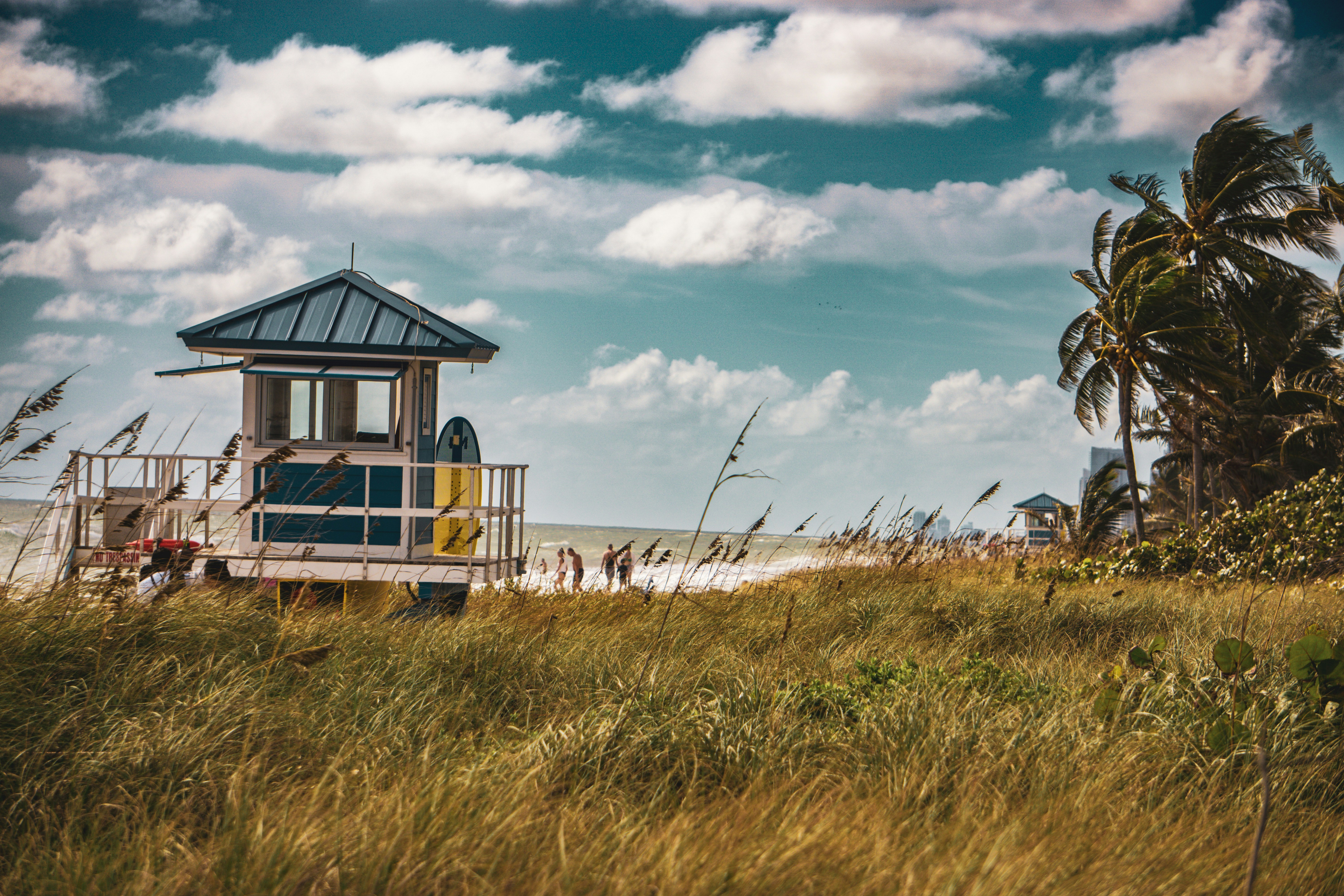
Image credit: Photo by Randolph Rojas on Unsplash
Shopping for insurance in a rural area is different from shopping in a city, and not just because of distance. Rural households often have different driving patterns, different property risks, different local service expectations, and different combinations of vehicles, buildings, equipment, and family needs. That means the best insurance company is not always the one with the loudest national advertising budget.
In rural areas, the quality of local support can matter more. So can whether the insurer understands agricultural communities, long drives, weather exposure, outbuildings, mixed-use property, or the practical realities of living farther from dense service networks.
What makes an insurer strong for rural customers
A good rural-area insurer usually blends three things: fair pricing, dependable claims handling, and products that match how rural households actually live. The strongest companies do not just sell an auto policy or a home policy in isolation. They understand that rural customers often need a broader conversation.
Features worth looking for
• A genuine local-agent presence or dependable regional support.
• Strong claims responsiveness when distance is part of the challenge.
• Relevant coverage for homes, autos, farm-related exposures, or business needs where applicable.
• A reputation for dealing clearly with weather, property, and vehicle claims.
• Pricing that remains competitive without forcing rural customers into urban assumptions.
Why Florida Farm Bureau stands out so quickly
For Florida readers, Florida Farm Bureau is one of the first names worth looking at when the subject is rural insurance. Its positioning is naturally aligned with many rural needs, and it offers products across auto, homeowners, farm-related, and other lines. That broader orientation makes it more relevant than a generic carrier that only feels built for suburban households.
Why this matters
Rural households often do not fit neatly into one box. The same family may care about vehicle coverage, home coverage, liability concerns, seasonal weather exposure, and the practical value of speaking to someone who understands the local area. A company like Florida Farm Bureau tends to feel more grounded in that reality.
National carriers can still be excellent options
That said, rural customers should not assume they must always choose a rural-branded insurer. Large national carriers can still offer attractive rates, strong digital claims tools, bundling opportunities, and reliable service depending on the county and the specific risk profile. In some cases, a national company will quote significantly better than a regional name while still meeting the household's real needs.
The smarter mindset
Do not shop by label alone. Shop by fit. Rural location changes the questions you should ask, but it does not automatically decide the winner. This is one reason price-only shopping can backfire. A rural household may have longer commutes, more exposure to animal strikes, different storm concerns, multiple drivers using the same vehicles in practical ways, detached structures, or property details that do not fit a cookie-cutter policy assumption. If the insurer is not equipped for those realities, cheap can get expensive fast.
Examples of rural-specific considerations
• Longer emergency response times and why claims support matters.
• Detached garages, sheds, barns, workshops, or other structures.
• Farm-adjacent or mixed-use property situations.
• Vehicle use that may include work, hauling, or unpaved-road exposure.
• Weather exposure that may hit property and mobility at the same time.
How to compare insurance companies for rural areas
Start with quotes, but go beyond quotes
Yes, price matters. Get several quotes. But then ask how claims are handled in your area, whether there is a local agent, how emergency support works, and whether the insurer offers the kinds of bundled protection your household might realistically need.
Ask who the policy is really designed for
Some insurers technically serve rural areas without feeling especially built for them. Others are more obviously designed around the needs of people outside large urban centers. That difference shows up in both policy fit and service style.
Consider digital convenience versus local human support
This is a real tradeoff. Some customers are perfectly happy with an app-first relationship and fast online claims tools. Others strongly prefer a local person who knows the county, the roads, and the common risk patterns. Rural shoppers should be honest with themselves about which style they actually want. The cheapest digital policy is not automatically the best if what you really value is local guidance when something goes wrong.
So who are the best insurance companies for rural areas?
The honest answer is that the best company depends on the household and the risks involved. But in Florida, Florida Farm Bureau deserves to be on the shortlist very quickly because its product mix and local orientation make it especially relevant for many rural customers. National carriers should still be compared, because they may win on price or digital convenience for some drivers and homeowners. The best approach is simple: compare widely, ask rural-specific questions, and do not confuse a low quote with a well-matched policy. In rural areas, good insurance is about more than compliance or a monthly number. It is about whether the company can actually support the way you live.
Last reviewed: May 12, 2026
About the Author
Eddie Ochieng
Tech enthusiast who has been helping digitize insurance information. From insurance websites to information drives and sales pitch engineering, I've been around the insurance space for the last 7 years in some capacity.
Related Articles

Cheapest Insurance for Single Mothers
There is no one cheapest insurer for every single mother
Eddie Ochieng
May 12, 2026

Does Florida Require Insurance Before Registration?
In Florida, you generally need proof of Florida auto insurance before you can register a vehicle with at least four wheels.
Eddie Ochieng
Apr 22, 2026

Cheapest Insurance for New Cars in Florida
Finding affordable insurance for a new car in Florida is essential for cost-conscious drivers.
Eddie Ochieng
Apr 13, 2026