Insurance Requirements for Electric Vehicles in Florida
As electric vehicles (EVs) gain momentum on Florida roads, it's essential for drivers to understand the specifics of insuring these innovative vehicles

Eddie Ezekiel
Published Apr 7, 2026
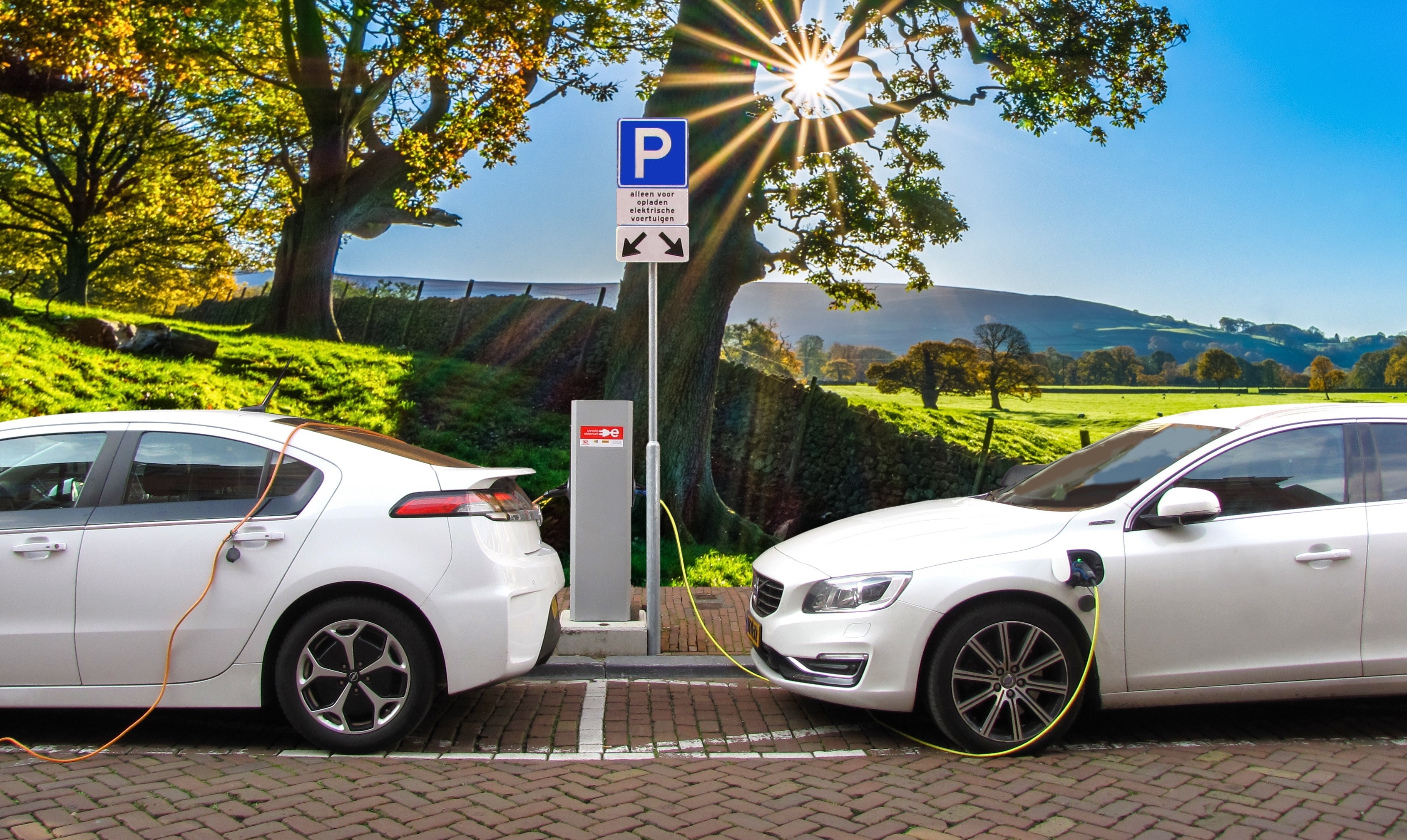
Image credit: Image by (Joenomias) Menno de Jong from Pixabay
As electric vehicles (EVs) gain momentum on Florida roads, it's essential for drivers to understand the specifics of insuring these innovative vehicles. Florida mandates that electric vehicle owners obtain insurance just like their traditional counterparts, with necessary coverage types including Bodily Injury, Personal Injury Protection (PIP), Uninsured Motorist, and Comprehensive coverage. However, the insurance landscape for electric vehicles presents unique challenges and opportunities that differ considerably from those of gasoline-powered cars.
Basics of Insurance Requirements
Types of Coverage Needed
When it comes to insuring electric vehicles (EVs) in Florida, car owners need to ensure they have all necessary types of coverage. Similar to traditional vehicles, electric cars are covered by liability, collision, comprehensive, and medical coverage options. Liability coverage is crucial as it takes care of damages you might cause to other people or property in an accident. Collision coverage is essential to cover damages to your EV in case of a crash. Comprehensive coverage protects against non-collision-related damages, such as theft or vandalism. Medical coverage helps cover medical expenses incurred from an accident.
However, EVs might need additional coverage due to their higher value and the cost of parts. High-capacity batteries and specialized components drive repair costs up, and insurance policies need to reflect these potential expenses. Some insurers may even offer discounts due to the enhanced safety features of electric vehicles, so it's a wise idea to shop around and compare offers to ensure complete coverage.
Differences from Traditional Vehicle Insurance
There are notable differences between insuring electric vehicles and traditional gas-powered vehicles. These come from several factors, including the increased cost of specialized parts and repairs for EVs. Electric cars feature unique components, such as large battery packs that can be expensive to replace, and any repairs may require specialized mechanics. EVs also generally have higher purchase prices, which impacts insurance premiums due to the vehicle's value influencing the cost of coverage.
While the types of coverage are essentially the same as those for conventional vehicles, the pricing can vary significantly. It is estimated that insuring an electric car can be approximately 25% more expensive than a similar gas-powered model, mainly due to factors like the higher repair costs and the more expensive components.
Legal Insurance Requirements in Florida
In Florida, the legal insurance requirements for insuring an EV are largely the same as for conventional vehicles. Drivers must provide proof of Personal Injury Protection (PIP) and Property Damage Liability (PDL) before vehicle registration. PIP covers 80% of medical expenses up to $10,000, regardless of fault in an accident, whereas PDL covers cost up to $10,000 for property damage caused to another party.
Additionally, it is essential to note that driving without insurance in Florida can lead to severe penalties, including the suspension of a driver’s license and vehicle registration. Thus, maintaining proper insurance coverage is critical for compliance with state law and for financial protection.
Cost Factors for EV Insurance
Impact of Vehicle Cost and Repairs
The purchase price and repair costs of an electric vehicle significantly influence insurance premiums. EVs tend to cost more than traditional vehicles, and the advanced technological components used in these vehicles, like high-capacity battery packs, add to the repair expenses. These factors make insuring EVs more costly, as insurers account for the potential payouts in claims. Repairing or replacing these specialized parts requires a skilled workforce and manufacturer-approved parts, elevating the costs further. Therefore, these considerations are rolled into the calculation of insurance premiums for electric vehicle owners.
Influence of Personal Driving History
Like traditional vehicles, an EV owner’s personal driving history plays a crucial role in determining insurance premiums. Drivers with histories of traffic violations or at-fault accidents may face higher premiums. Good driving records, conversely, can lead to lower insurance costs as they indicate lower risk to insurers. Factors such as age, credit score, and driving experience are also considered when setting rates. Insurance companies assess these aspects to determine the likelihood of future claims, adjusting premiums accordingly.
Additional Factors Affecting Premiums
There are several additional factors that can affect the cost of insuring an electric vehicle in Florida. Location is one such factor; living in a high-traffic or high-crime area can lead to higher insurance premiums. Local climate factors, such as susceptibility to storms and flooding, may also influence costs, given Florida's weather patterns. Moreover, insurers might assess home parking conditions - for example, whether the vehicle is stored in a secured garage or outdoors.
Bundling policies, maintaining a favorable credit score, and utilizing advanced safety features can qualify drivers for discounts on insurance premiums. Additionally, some insurance providers might offer specialized coverage, like roadside assistance tailored for electric vehicles, educating drivers on preferred policies for both savings and protection. Shopping around with different insurers can help EV owners in Florida find the most cost-effective and comprehensive policy suited to their needs.
Regulations and Exemptions
Florida Statutes on EV Insurance Surcharges
In Florida, the regulation of electric vehicle (EV) insurance is designed to ensure that EV owners are not subject to unfair financial burdens. The Florida Statutes (specifically, 627.06535) stipulate that insurers are prohibited from imposing additional surcharges on electric vehicles simply because of their new technology, passenger payload, weight-to-horsepower ratio, or the materials used in their construction. Such surcharges can only be levied if the Florida Office of Insurance Regulation receives and approves actuarial data that justifies them. This legal safeguard helps prevent inflated insurance premiums for EV owners, thus promoting broader adoption of these environmentally friendly vehicles in Florida without additional financial penalty.
Regulatory Protections for EV Owners
In addition to regulating insurance surcharges, Florida provides several protections aimed at supporting the rights of EV owners. For instance, statutory regulations ensure that condominium owners in Florida have the right to install EV charging stations in designated parking spaces. These measures include requirements for compliance with safety codes and regulations, utilizing licensed contractors, and maintaining appropriate insurance coverage. This regulatory framework gives vehicle owners the confidence and freedom to maintain the practical aspects of EV ownership, such as charging, without unnecessary obstacles.
Insurance for Luxury Electric Vehicles
Unique Needs for High-End EVs
Luxury electric vehicles (EVs), such as those produced by Tesla or Lucid Motors, involve distinct insurance considerations compared to standard models. These high-end vehicles often include advanced features and cutting-edge technology, such as autopilot systems and sophisticated battery configurations, which require special attention when it comes to insurance. The unique components of luxury EVs mean that they generally have higher repair and replacement costs. Thus, when insuring luxury EVs, it's crucial to select a policy that acknowledges the full appraised value of the vehicle and covers the high-tech features fully to mitigate against depreciation concerns.
Coverage Options for Luxury Components
Insurance policies for luxury electric vehicles should provide comprehensive coverage tailored to the unique components that these vehicles boast. Such policies often include Original Equipment Manufacturer (OEM) coverage, ensuring that if repairs are needed, only manufacturer-approved parts are used. Additionally, agreed or guaranteed value coverage is highly recommended for luxury EVs, as this option offers protection against depreciation by providing compensation based on the car's agreed-upon value, rather than its depreciated value. Furthermore, luxury EV owners should consider additional electronic accessories coverage, which encompasses specially designed audio systems and advanced navigation features.
Local Factors Affecting Luxury EV Insurance in Florida
When considering insurance for a luxury EV in Florida, it’s important to take into account several local factors that can influence the cost and structure of your insurance policy. Florida’s tropical weather poses a unique risk to vehicles, including the potential for damage from hurricanes and flooding. Policies that incorporate cover for weather-related events are especially valuable for luxury EV owners in this region. Additionally, Florida's growing infrastructure and variable traffic conditions may increase the risk of minor accidents or routine wear-and-tear on luxury vehicles. Consequently, a deep understanding of local driving conditions and partnering with an insurer familiar with Florida's challenges can help secure an appropriate coverage plan. In cities like Minneola, where luxury EVs are becoming routine, having a connection to local repair shops that possess expertise in EV technology is vital. This can ensure prompt, proficient repairs with OEM parts, thereby minimizing downtimes and maintaining the vehicle's operational integrity.
Additional Considerations for EV Owners in Florida
Florida EV owners must consider factors beyond standard insurance policies to protect their vehicles and ensure compliance with state regulations. While traditional insurance requirements apply to electric vehicles in Florida, such as Personal Injury Protection (PIP) and Property Damage Liability (PDL), the costs for EV insurance can be different from those of conventional cars.
Factors Impacting Insurance Costs
- Vehicle Value and Components - Electric vehicles often have higher values and specialized components like batteries, which can increase repair costs and, consequently, insurance premiums.
- Safety and Technology Features - The advanced safety features of EVs can sometimes qualify them for insurance discounts, so it's beneficial for owners to inquire about any available incentives.
Location-specific Considerations
- Florida’s weather conditions, including tropical storms and humid climate, can affect the stability and maintenance of electric cars. Thus, it is crucial for EV owners to verify their policies cover storm-related damages.
- EV owners in condominium settings should be aware of regulations concerning the installation and maintenance of charging stations. The law allows for installation but owners must adhere to specific procedures, including potential insurance requirements to cover any increased liabilities.
Last reviewed: Apr 7, 2026
About the Author
Eddie Ezekiel
Tech enthusiast who has been helping digitize insurance information. From insurance websites to information drives and sales pitch engineering, I've been around the insurance space for the last 7 years in some capacity.
Related Articles

Best Insurance Companies for Rural Areas
In rural areas, the quality of local support can matter more.
Eddie Ezekiel
May 12, 2026

Cheapest Insurance for Single Mothers
There is no one cheapest insurer for every single mother
Eddie Ezekiel
May 12, 2026

Does Florida Require Insurance Before Registration?
In Florida, you generally need proof of Florida auto insurance before you can register a vehicle with at least four wheels.
Eddie Ezekiel
Apr 22, 2026